We saved the support team 81 hours a month by automating the downgrade flow
By automating a manual and high-friction support process, we improved the user experience and reduced both support tickets and hours by 65%.
Continue reading
Overview
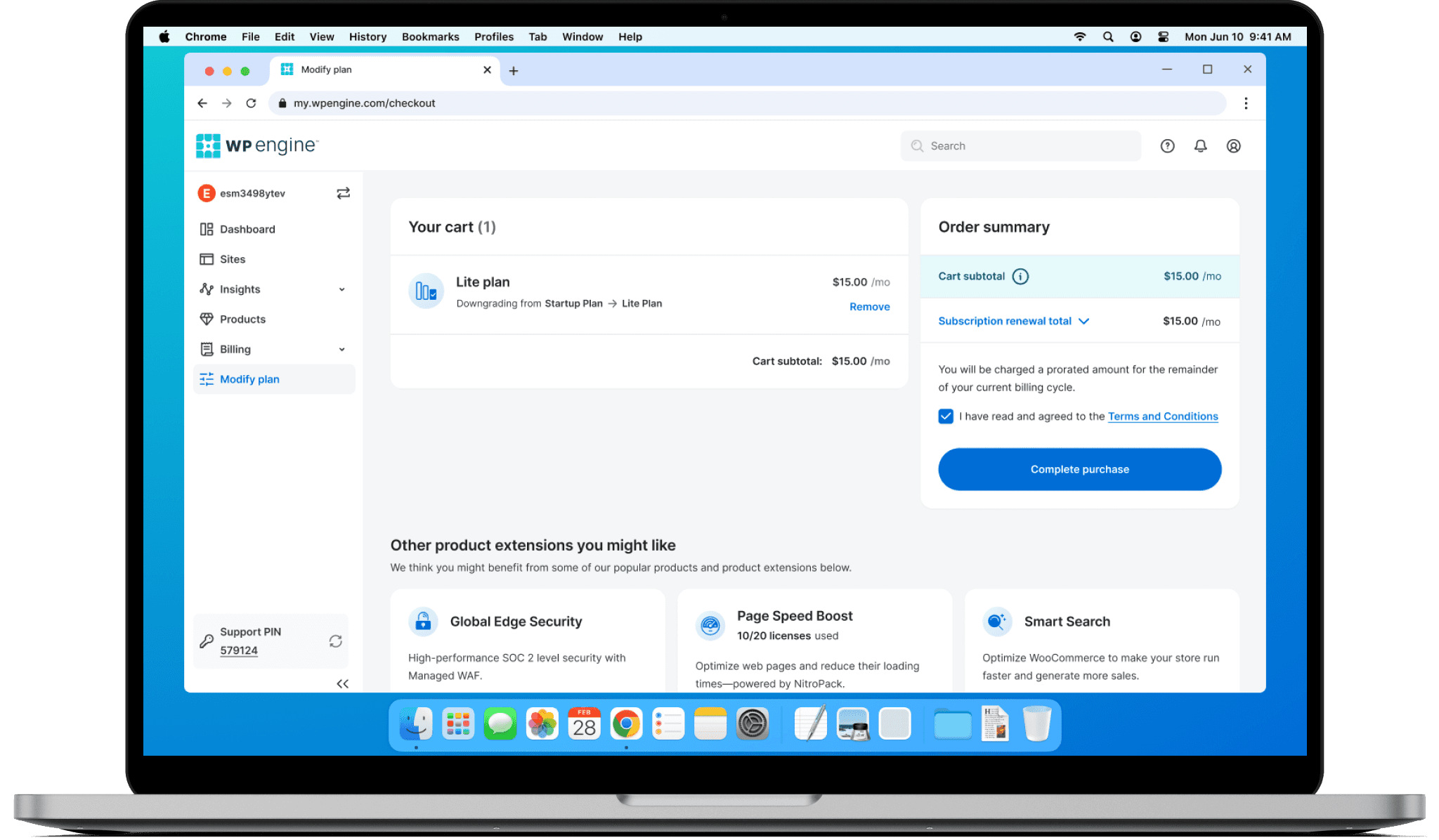
This project focused on designing a self-serve downgrade experience. Reducing friction for users and workflow toil for our support team by automating the downgrade process.
Project details
Company
WP Engine
Leading WordPress hosting providing fast, secure, and scalable solutions
Role
Designer + Scrappy Research
End-to-end design of self-serve downgrade feature, user interviews with stakeholders
Team and Stakeholders
10+ People
1 Product Manager, 8 Engineers, Business ops, CX and Support.
Timeline
4 Months
November 2024 – February 2025
Tools
Various
Figma, Miro, Zoom, Dovetail, NotebookLM
Type
Desktop
Brand new feature, feature enhancement and flow redesign.
The problem
Users can't downgrade their plans independently and must submit support tickets for manual review. This creates delays in plan changes, frustrates users, and increases operational workload for internal teams.
Downgrades require a support ticket, creating a bottleneck in the user journey

Untimely changes
Users experienced unpredictable plan changes, resulting in a lack of resources or unexpected charges.
Extensive back-and-forth
A lack of clear information on requirements and notice periods caused a lot of back-and-forth.
Unnecessary friction
Users have to submit a support ticket and wait for someone to review their request.
Meanwhile, internal teams experience technical and operational challenges

Ticket routing issues
Misrouted tickets were incorrectly sent to a general billing queue, which led to significant delays in ticket resolution.
All reviews are manual
Some configurations are complex and there's no easy way to verify a request other than through manual review.
~80% of requests are low MRR
Research revealed that many requests were for the lowest recurring revenue plans. Resulting in a costly inefficiency for the business.
Coming soon
Messy process
Want to understand the "why" behind every design decision? Dive into the full case study to explore the research and iterations that led to this solution.
View full case study
Solution
By launching self-service subscription management and a smart checkout experience, we unblocked customer downgrade transactions and delivered real-time transparency, significantly improving the customer experience and reducing support load.
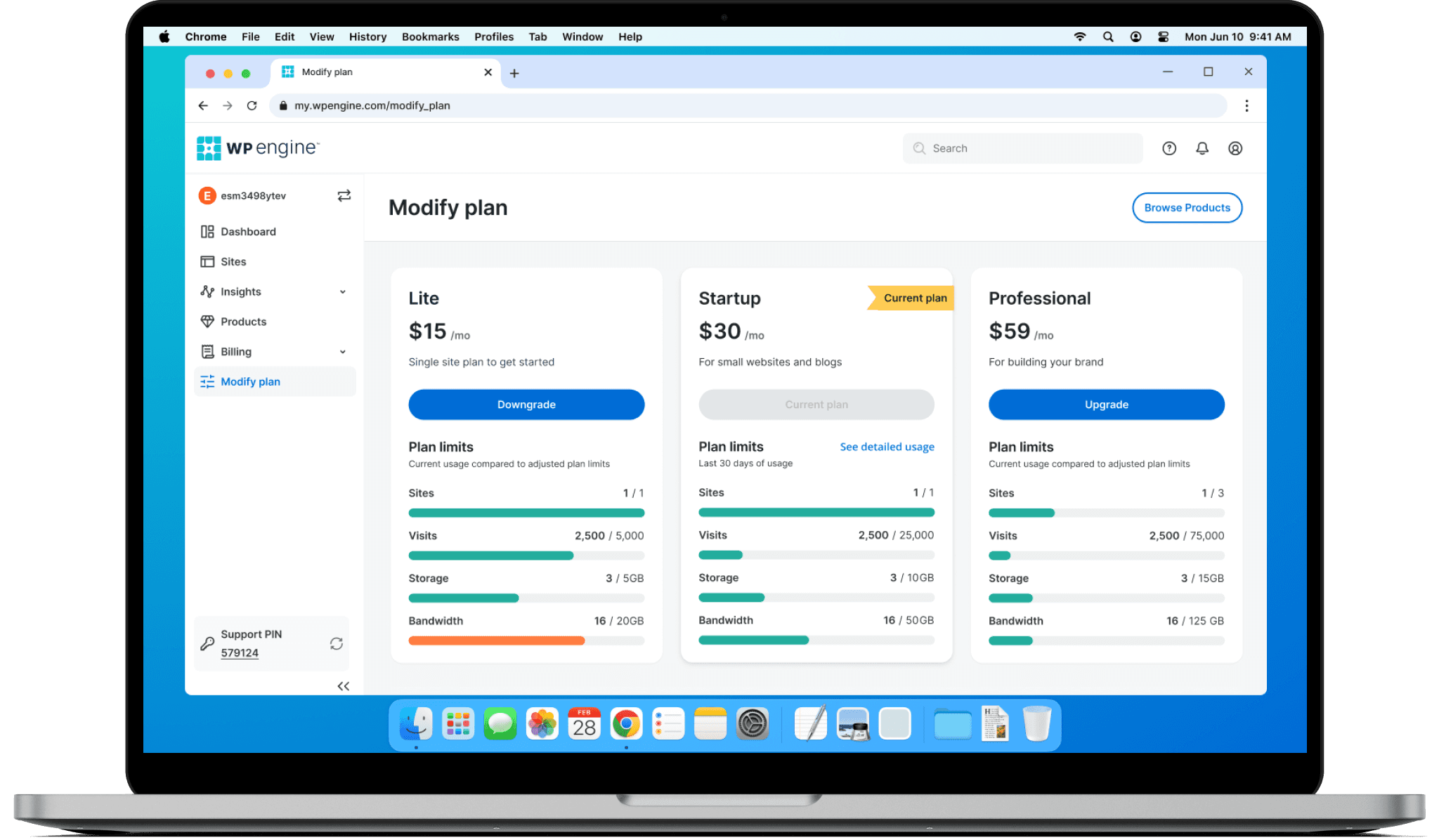
Unblocked downgrade transactions by launching a self-service feature
This not only eliminated user friction and enabled customers to manage their accounts independently, but also freed up the support team to focus on higher-value tickets.
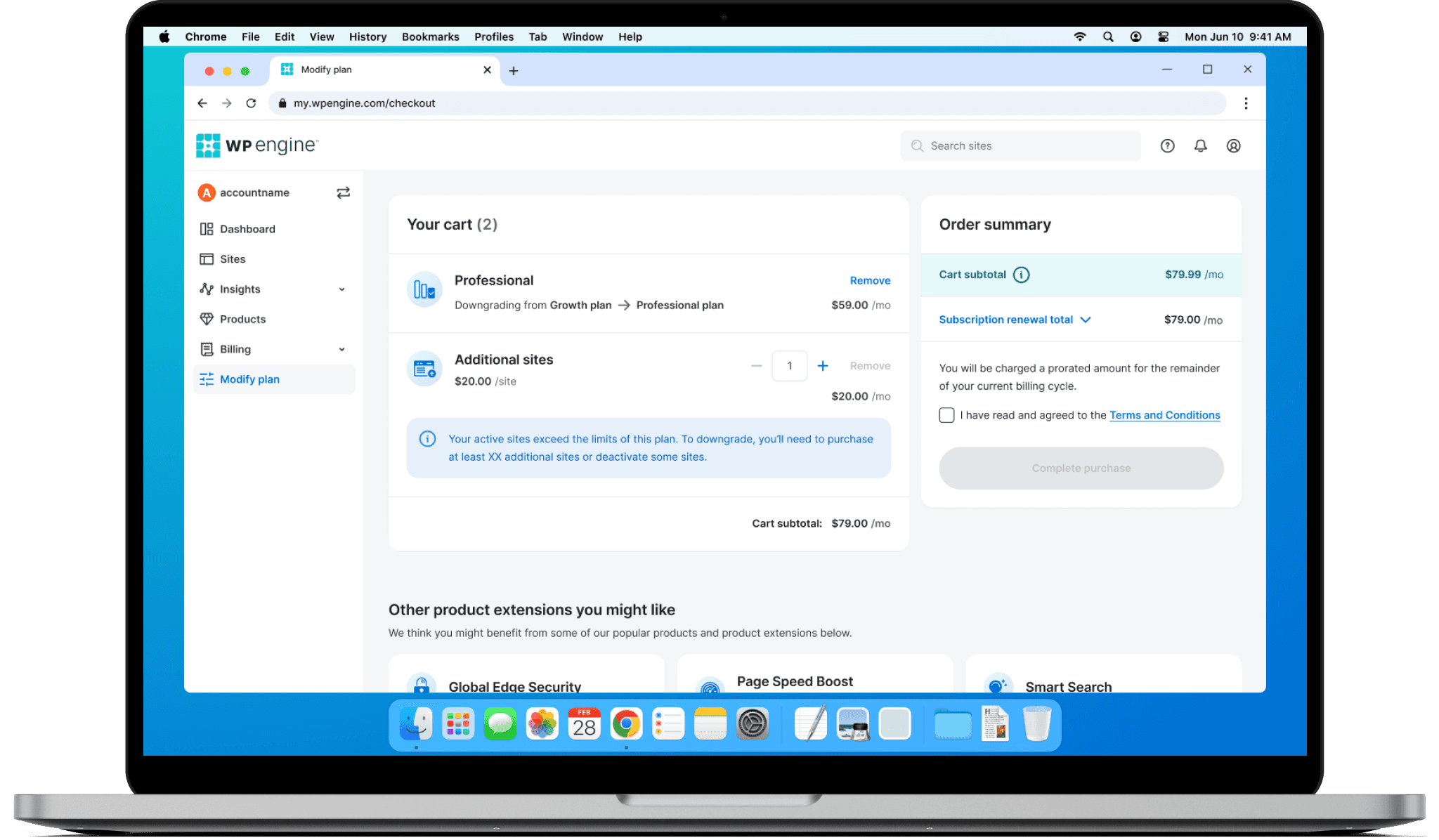
Engineered a smart checkout experience to proactively prevent performance-limiting downgrades
When usage exceeds the new plan limits, the system automatically adds the necessary resources to the user's cart at checkout, ensuring continuity
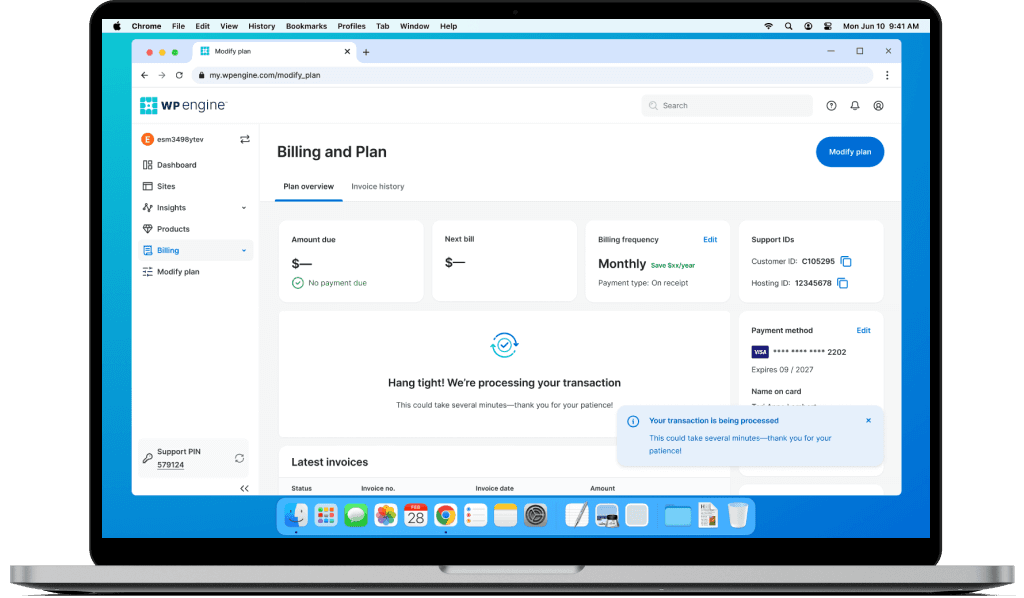
Delivered real-time subscription transparency
Customers now view their updated subscription details directly within their billing summary, establishing a seamless and transparent self-service experience
Results
65%
overall reduction in support tickets and hours
Empowering users with a simple, self-service flow, achieved a significant reduction in support tickets and hours.
86%
of downgrades are simple and straightforward
200 out of 231 downgrades were simple and straightforward changes making this an effective workflow automation.
5
minutes or less is all it takes to downgrade a plan
The process saved customers a total of 115.5 hours, with the average process now completed in under 5 minutes.
View more case studies
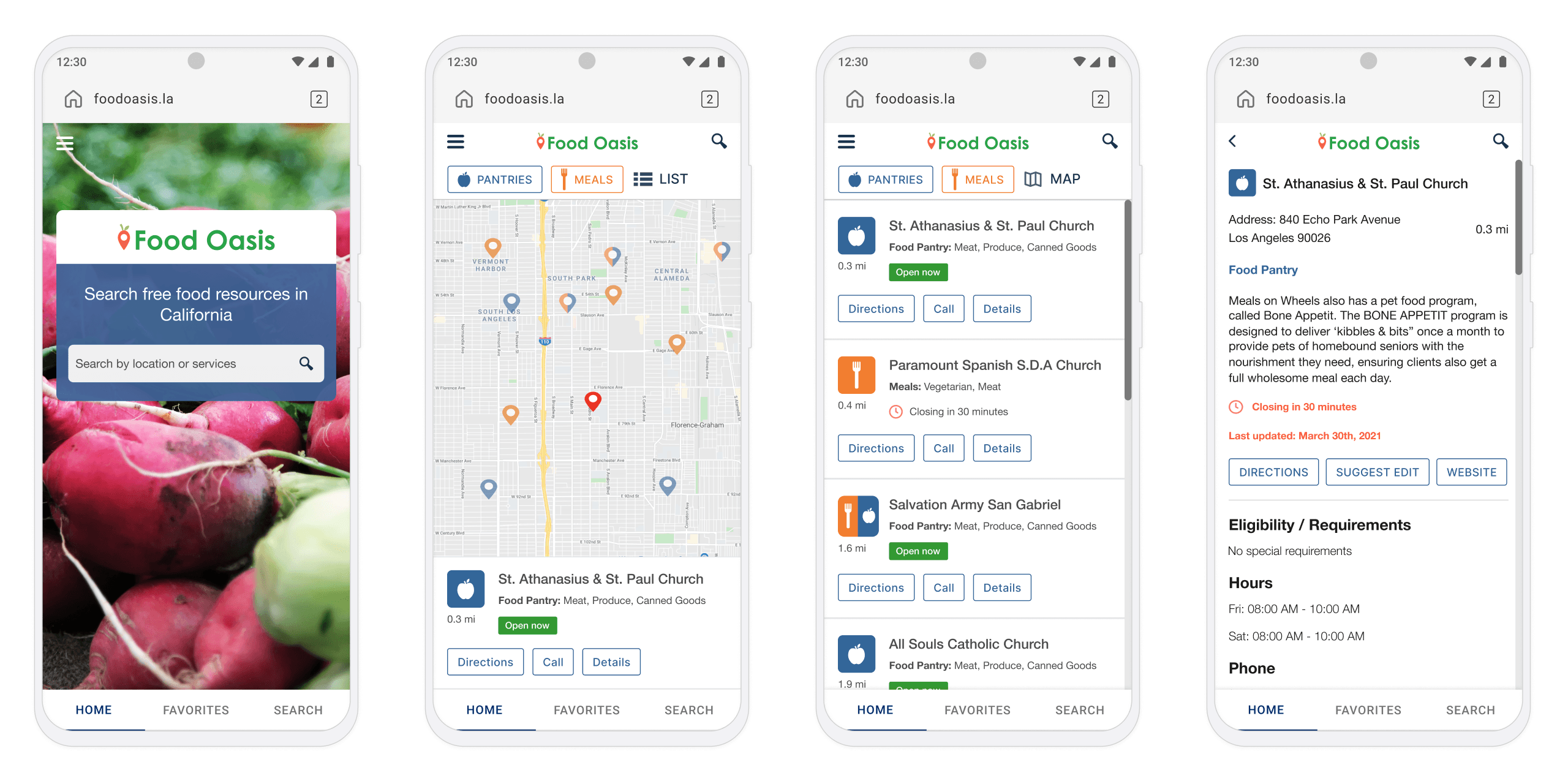
FOOD OASIS
Mobile web app optimization achieved a 400% increase in daily new users
Food Oasis a non profit based in Los Angeles achieved a 400% increase in daily new users and gained 4,500 monthly active users by enhancing the mobile web app's usability and efficiency.
View case study
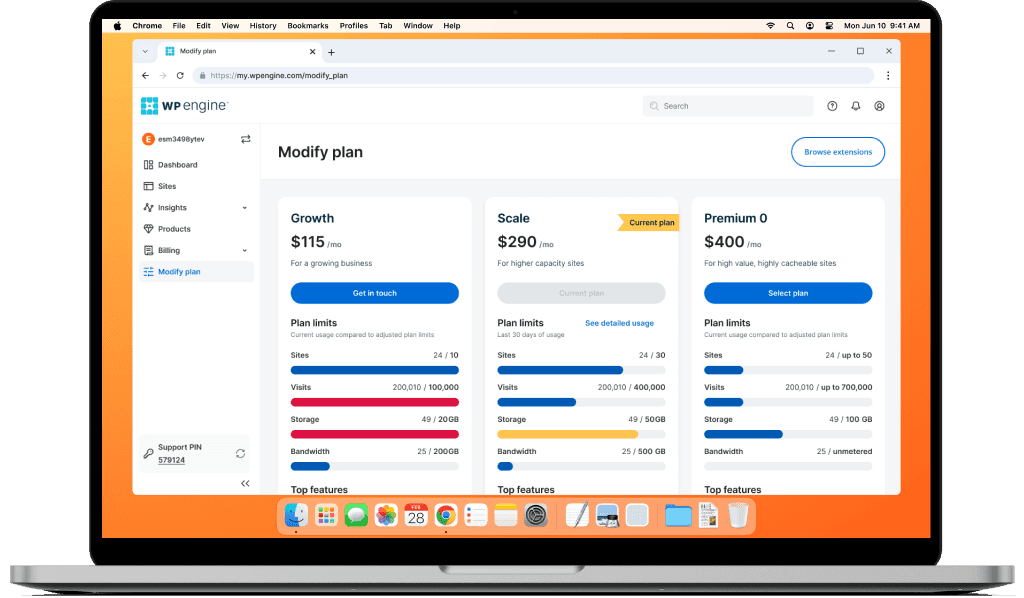
WP ENGINE
Plans page overhaul brought in 8% increase in upgrades
This redesign simplified plan modification decisions, resulting in 49% retention rate, a 7.7% increase in upgrades, and 20% more add-on purchases.
View case study