
01 THE PROBLEM

02 THE RESULTS
support hours saved in the first 3 months (team estimate)
reduction in support tickets
minutes to downgrade their plan versus days
03 THE SOLUTION


Reduced Customer Support tickets by more than 60%
Overview
I designed a self-serve downgrade flow to replace a painfully manual one. It did three things:
1) Improved the user’s self-serve experience and prevented “bad actors.”
2) Reduced Customer Support tickets by more than 60%.
3) Aligned with the direction of the FTC’s click-to-cancel rule.
Project details
WP Engine
Leading WordPress hosting providing fast, secure, and scalable solutions.
Design + Research
End-to-end design of a brand new feature. Conducted discovery and research.
10+ People
1 Product Manager, 8 Engineers, Business ops, Customer Experience and Customer Support.
4 Months
November 2024 – February 2025
Various
Figma, Miro, Zoom, Dovetail and NotebookLM for data synthesis
Desktop
Brand new feature, feature enhancement and flow redesign.
The problem
To downgrade, customers must submit a ticket resulting in churn and extra work for support.
Current experience
The current downgrade flow created a massive bottleneck for users.
Customer pain points
Some users treat downgrades as a seasonal adjustment. The unpredictable adjustment resulted in a lack of resources or unexpected charges.
Lacking awareness of 2 week notice periods caused unnecessary back-and-forth. With many expecting a downgrade to be instant.
Our reliance on traditional ticketing systems forced users into a slow and opaque process. Damaging our brand’s credibility and customer-centric reputation.

Internal pain points
Meanwhile, Customer Support experienced technical and operational challenges
Misrouted tickets were incorrectly sent to a general billing queue. This led to significant delays in ticket resolution.
Some plans are so complex and there's no other way to verify a request other than through a manual review.
Interviews revealed that most requests were lower MRR plans that were often ineligible for a downgrade.
Solution
We launched a self-serve flow that automated most downgrades while restricting ineligible requests to prevent revenue loss and bad actors.
Downgrading is now much simpler for customers because we added logic behind the scenes.
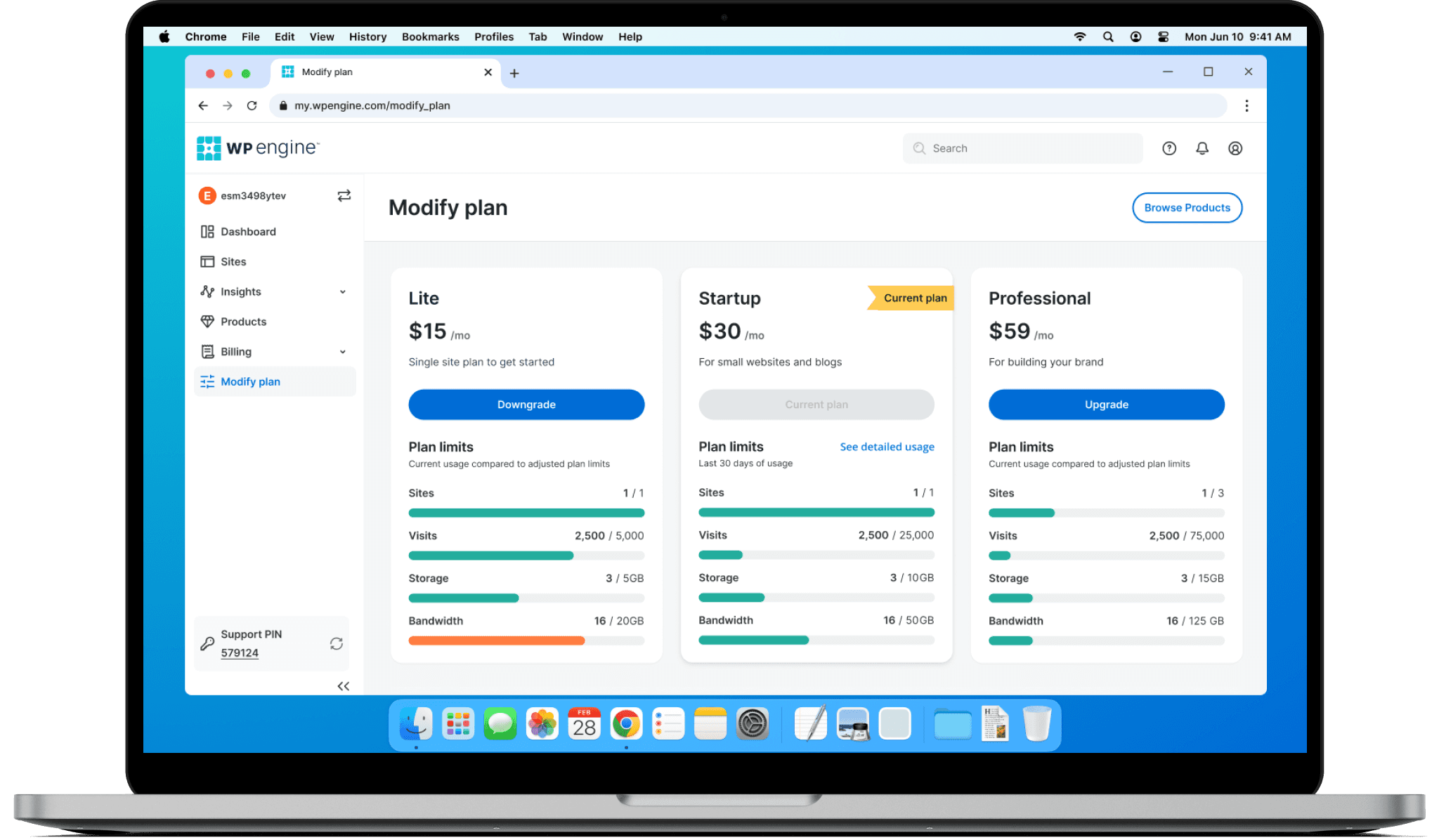
This feature allowed customers to responsibly manage their accounts independently
It was a win-win for customers and freed up Customer Support to focus on higher-value tickets.
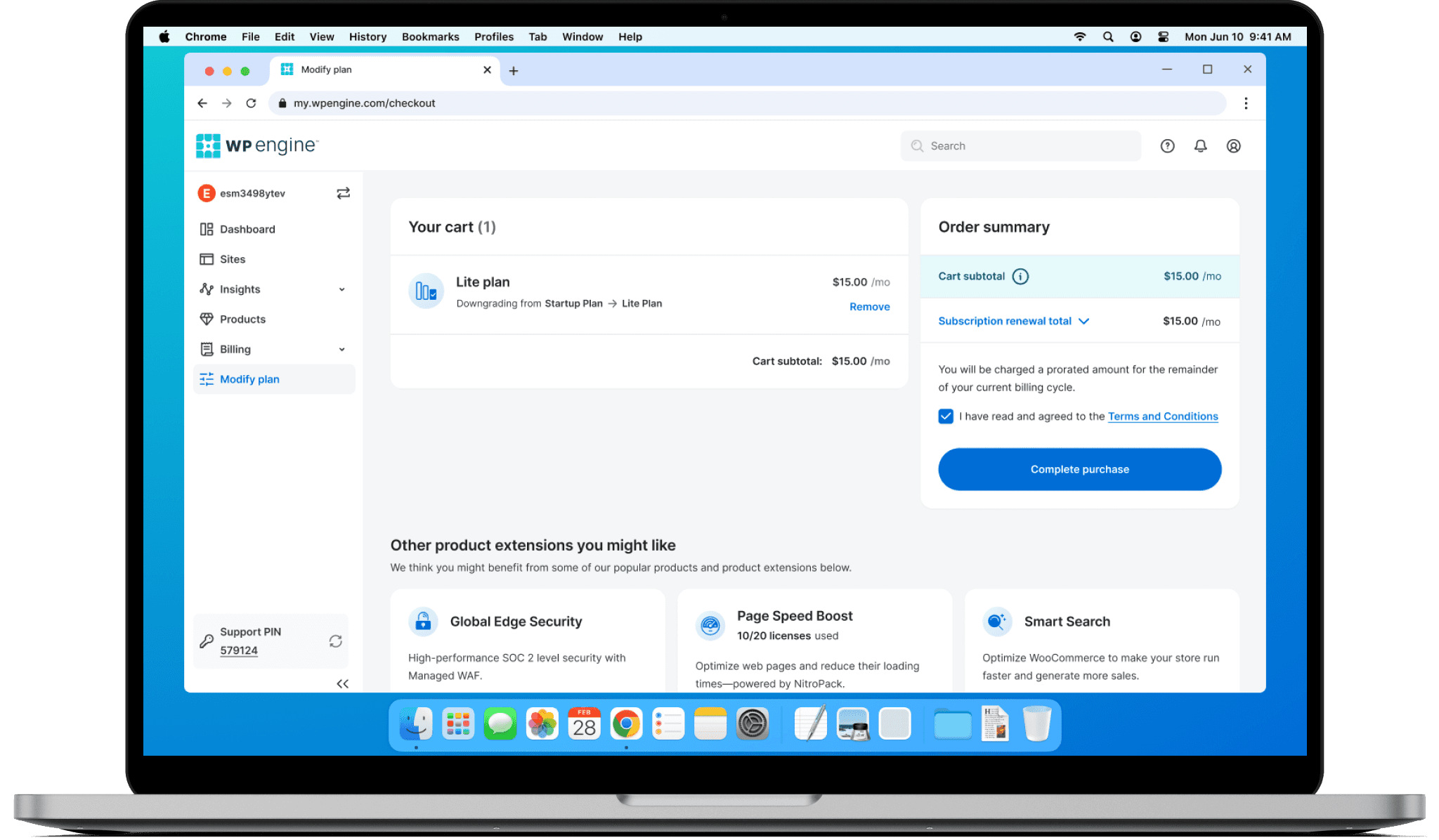
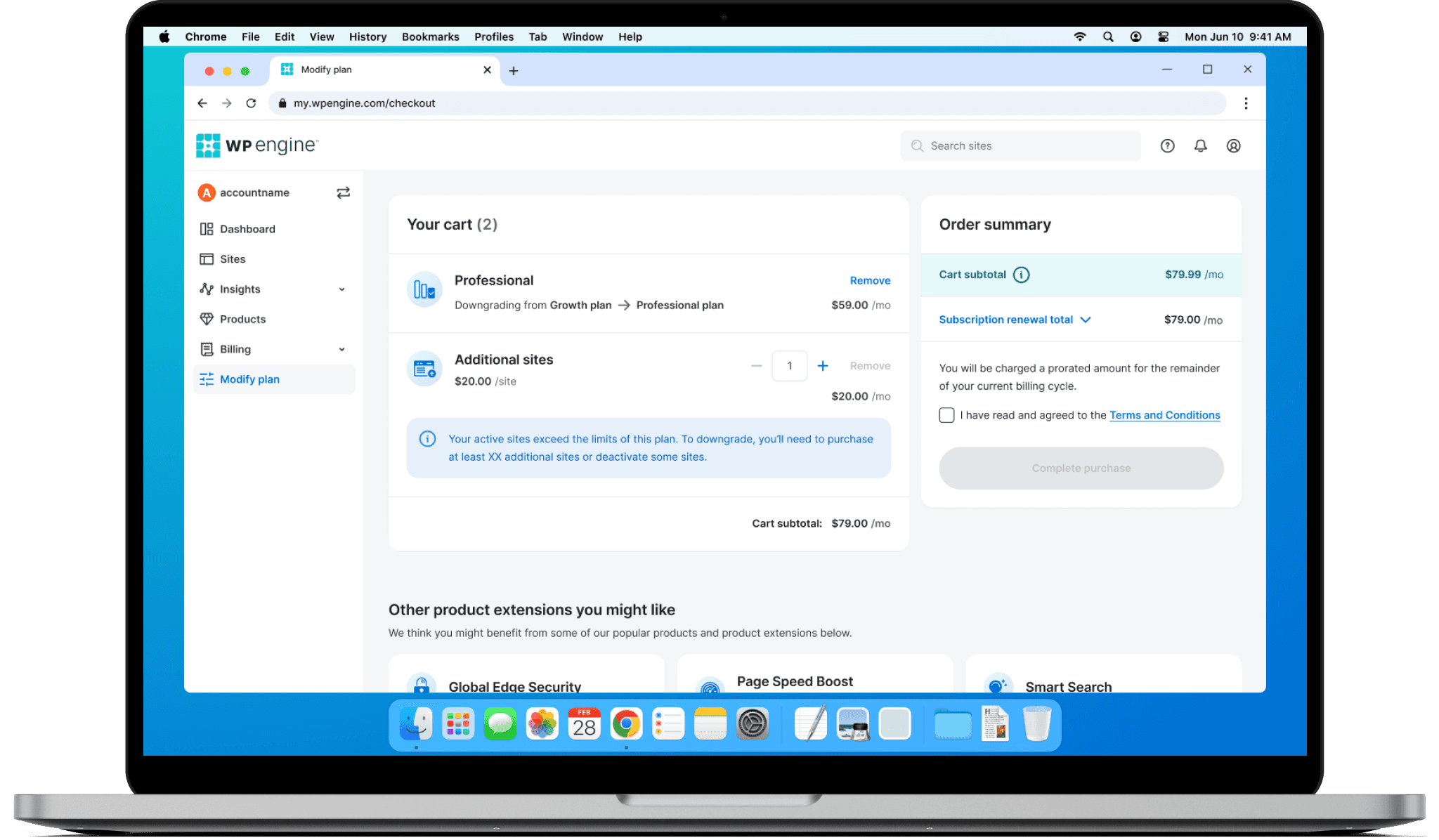
Smart checkout prevented ineligible downgrades
If the customer’s usage exceeded the selected plan’s limits, then the system automatically added the resources at checkout. Otherwise, the downgrade was blocked.
Customers see in real time what a downgrade will change
We implemented a transparent self-service experience, giving customers real-time control over their plans during seasonal shifts.
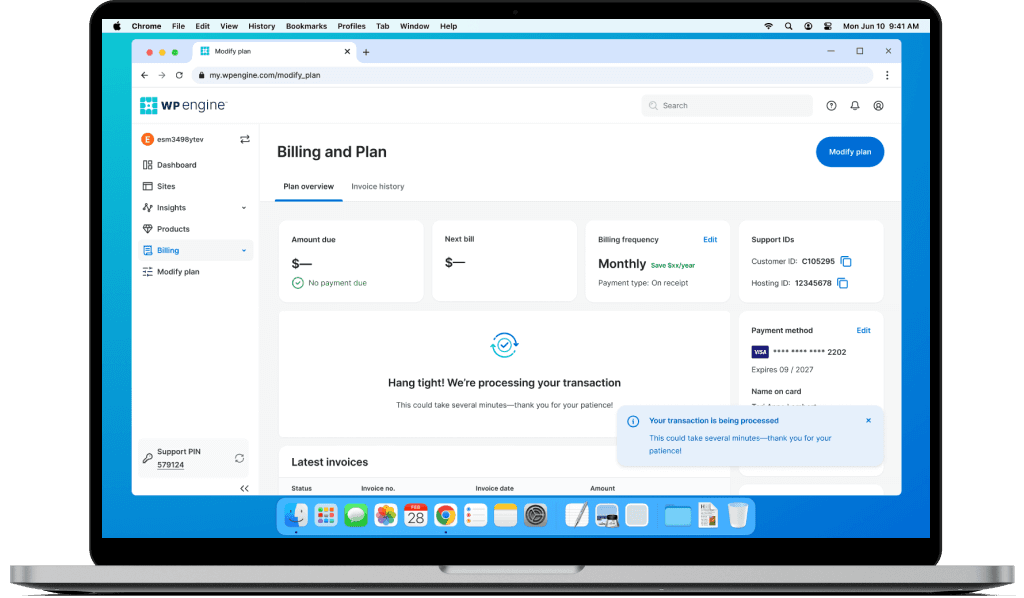
Results
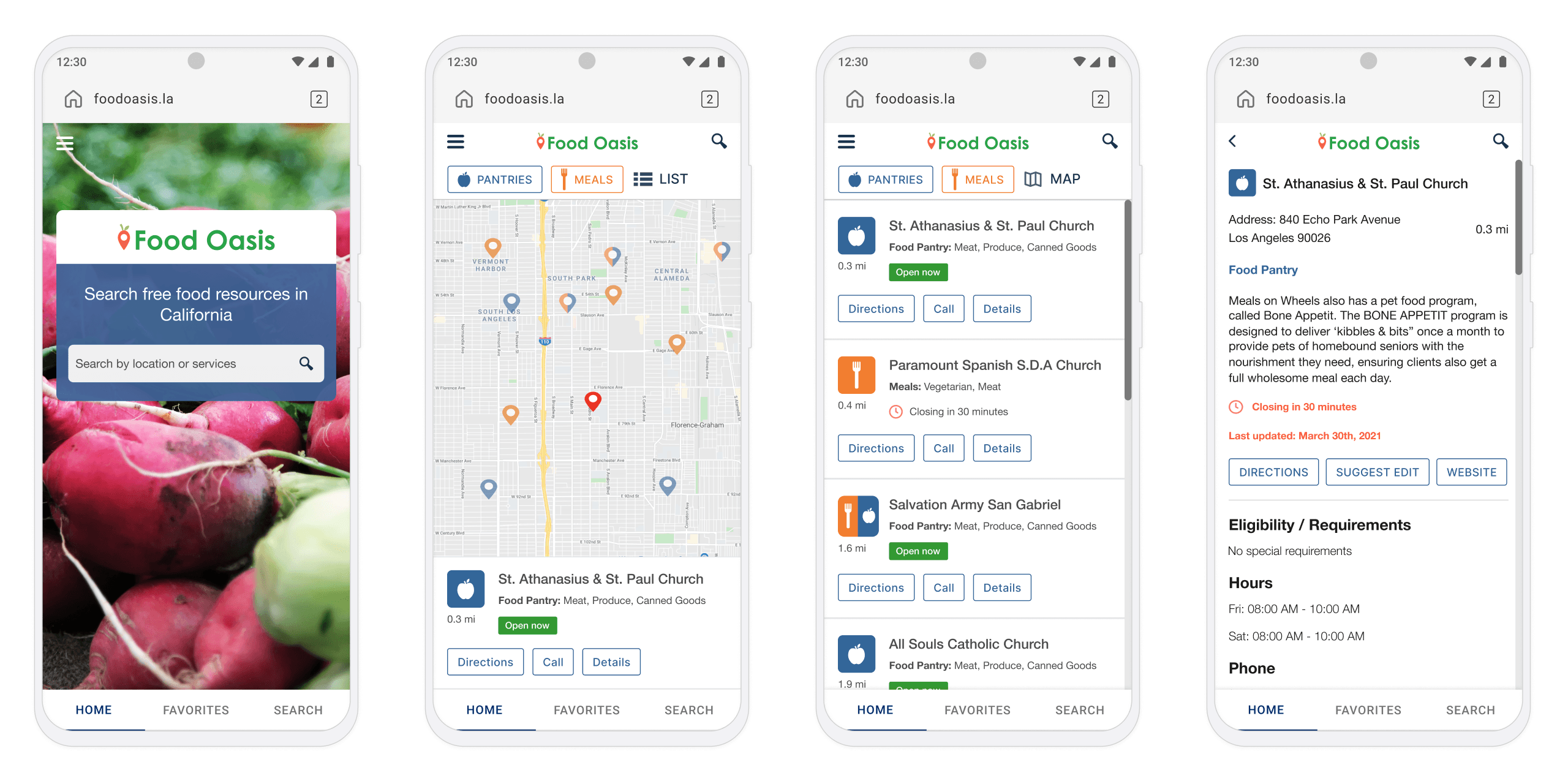
FOOD OASIS
Mobile web app optimization achieved 400 new users daily
A nonprofit based in Los Angeles gained 400 new users daily after enhancing usability and efficiency.
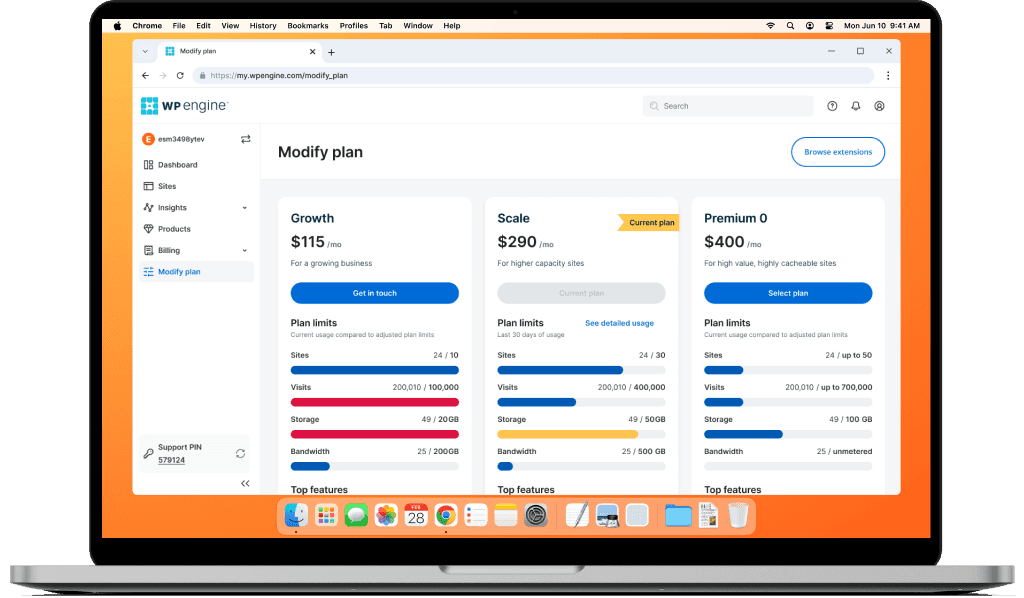
WP ENGINE
Plans page overhaul brought in 7.7% increase in upgrades
This redesign simplified plan modification decisions, resulting in a 7.7% increase in upgrades.